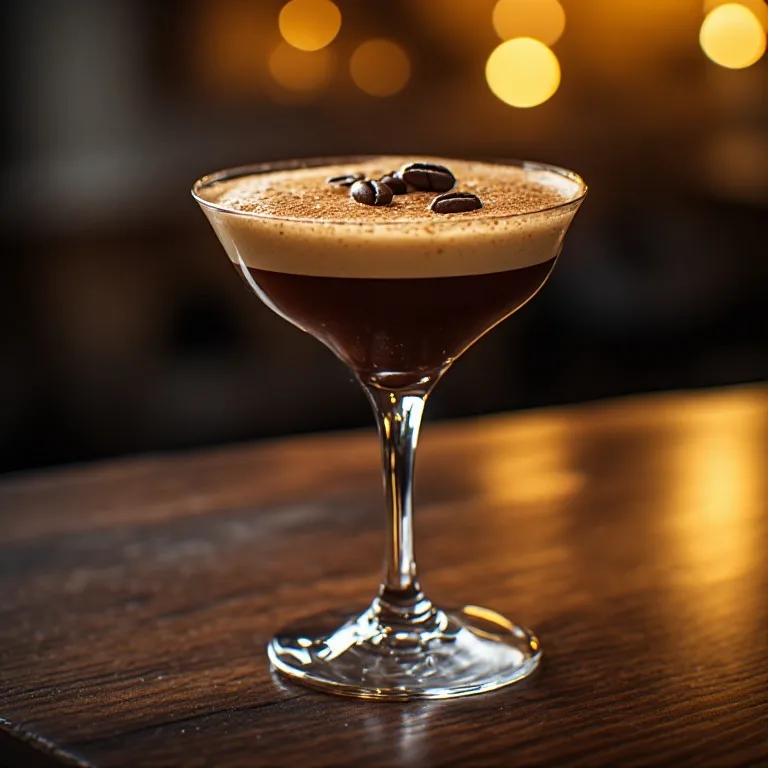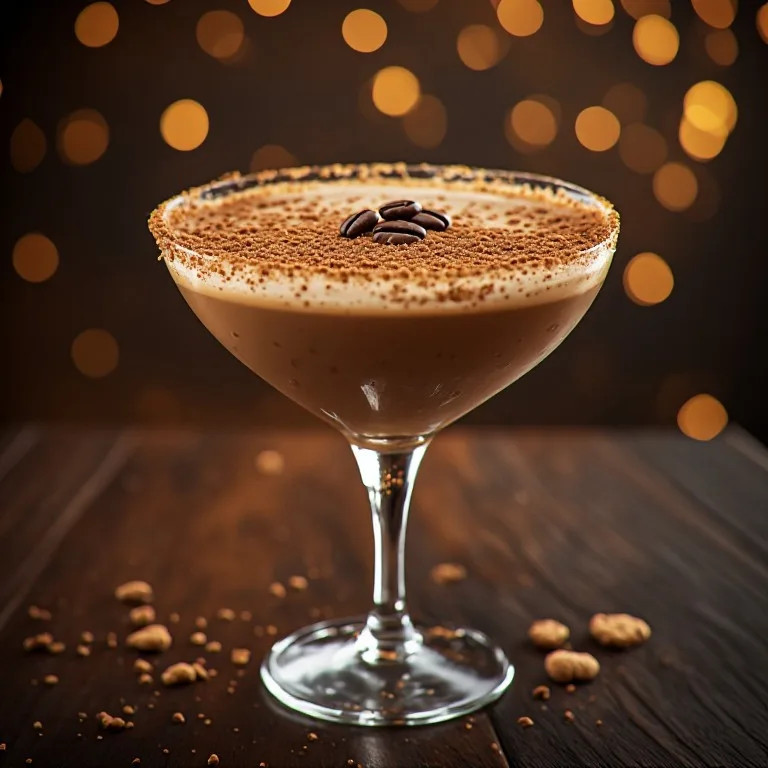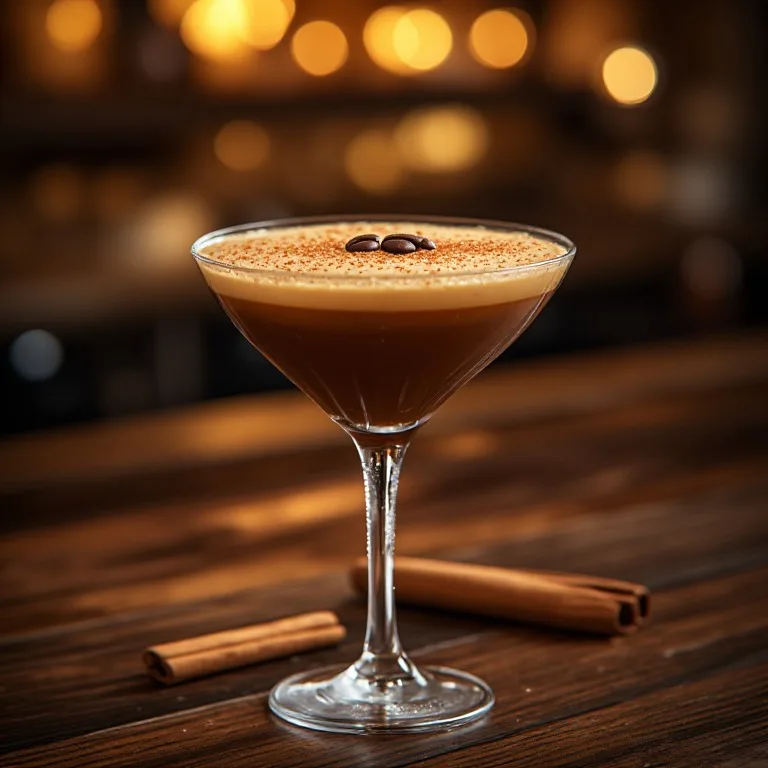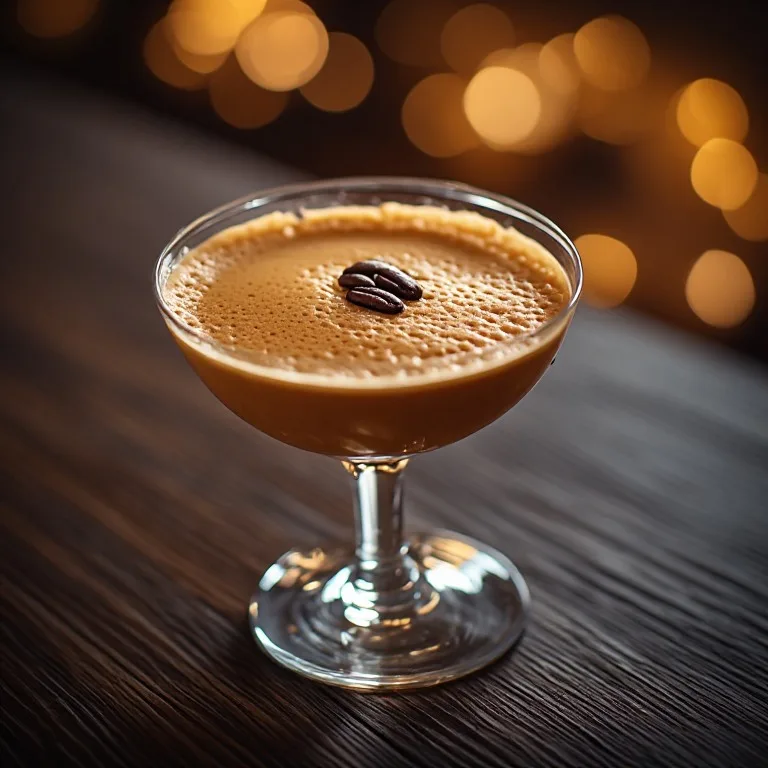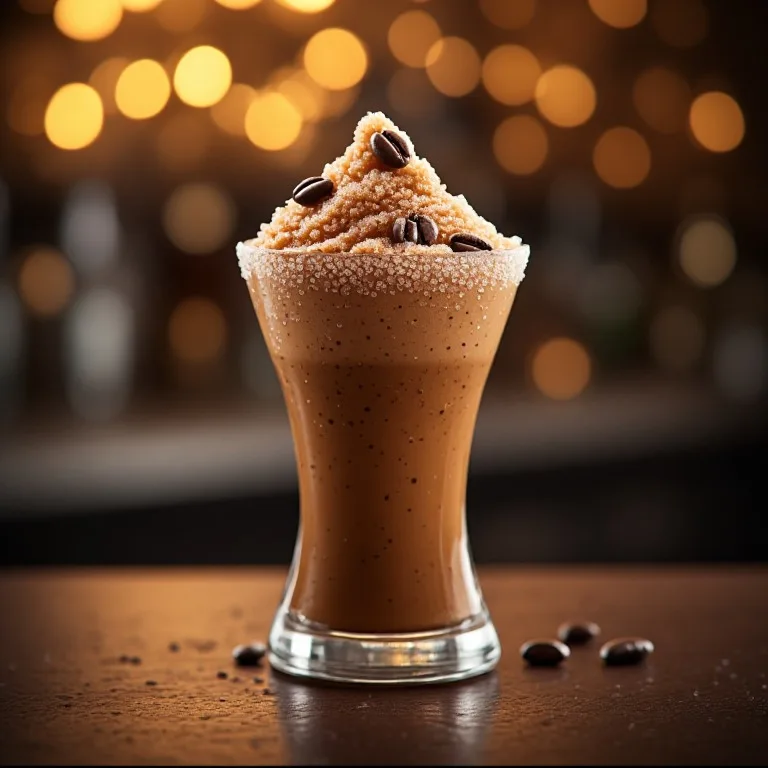
A Frozen Espresso Martini is the shaken classic put through a blender with ice. Vodka, coffee liqueur, a cooled shot of espresso, and a little simple syrup become a coffee slush you can pour faster than you can shake a round of coupes. It should still taste like espresso. The ice is there for texture, not to turn the drink into a milkshake.
The shaken original has a known bar history. The frozen one does not. Home videos and resort menus have used the name for several different blends, some of them loaded with creamer. This version stays on the coffee side of that split, which is the version worth making twice.
Where the Frozen Drink Came From
Dick Bradsell created the shaken Espresso Martini in London, and that drink’s story belongs on its own page. The blender variation is newer and less documented. By the summer of 2023, home cooks were posting frozen versions after ordering one at a restaurant. One clear example is Peyton Pratte’s July 25, 2023 video: espresso frozen into cubes, then blended with vodka, coffee liqueur, and coffee creamer. Resort bars have since poured creamier, soft-serve-style takes under the same name.
Nobody has produced a single first menu, a single inventor, or a ratio that the rest of the videos follow. Some blends are black and bitter. Some are dessert shakes with an espresso rinse. Calling any of them the official frozen spec would be a guess.
In November it is a party tool. Thanksgiving weekend and New Year’s Eve both create a line of people who want an espresso drink and do not want to wait on a shaker. The ice does not make it only a summer drink.
Why Typical Copycats Turn Into Dessert
Creamer is the main drift. A splash makes the slush look pale and plush, and it also covers the espresso. An ounce of coffee creamer, or a scoop of ice cream, pushes the drink into milkshake territory. That can be what someone wants. It is not what this recipe is. The simple syrup is the only added sweetener beyond the coffee liqueur, and half an ounce is enough once the drink is ice-cold. Cold dulls sweetness, which is why a frozen drink often needs slightly more sugar than the shaken version. It does not need dairy to be smooth. The blender foam does that.
Hot espresso is the second failure. Pour a fresh shot over a cup of ice and the ice collapses before the blades finish. You get a brown, thin, over-diluted drink with a few chunks left. Cool the shot on the counter, or brew it earlier and keep it in the refrigerator. It should be fully liquid and no longer warm.
The third failure is a long blend. Fifteen seconds of high speed is the window. Thirty seconds melts the structure you just built. If the blender needs more time because the ice is in one solid block, use smaller cubes instead of running the motor longer.
Weak coffee is the last one. Drip coffee from a mug adds water you did not measure. Use a real espresso shot or a cold-brew concentrate you would not drink straight in a large glass. If the concentrate is sold as a ready-to-sip coffee, it is probably too mild.
The Key Technique: Cold Coffee, Short Blend
Brew the espresso before you do anything else, and ignore it until the crema has fallen and the liquid is cool. Chill the glass. Then measure the vodka, coffee liqueur, espresso, and syrup into the blender with one level cup of ice. A packed cup of wet ice and a cup of small dry cubes are not the same drink. Use the ice you actually have, and keep the scoop consistent from glass to glass.
Blend on high only until the sound evens out and the mix looks like soft granita, about 15 seconds. Stop and look. A few small ice grains are better than a puddle. Scrape it into the glass immediately. Three coffee beans sit on a thick slush. They sink if you blended too long.
If you want a stronger coffee flavor, freeze espresso in an ice tray ahead of time and blend those cubes in place of the liquid shot and part of the ice. Add a splash of cold water only if the blades spin without catching. Do not use both a liquid shot and a tray of espresso ice in this same recipe or the drink becomes a bitter double. Pick one coffee path per batch.
Batch the Liquids, Blend to Order
For eight drinks, stir 12 oz (360 ml) vodka, 8 oz (240 ml) coffee liqueur, and 4 oz (120 ml) simple syrup. Refrigerate that bottle for up to a week. Brew 8 oz (240 ml) espresso, cool it fast in a shallow container, and refrigerate it on its own for up to a day. Espresso kept in the spirit bottle loses its smell and still has to be blended later, so combining them early does not save the step that matters.
For each drink, blend 3 oz (90 ml) of the spirit mix with 1 oz (30 ml) cold espresso and 1 cup of ice for about 15 seconds. A blender full of eight drinks melts while you pour, and the last glass turns to soup.
It is a poor pitcher drink. Finished slush on a sideboard becomes iced coffee in twenty minutes.
The Frozen Decaf Espresso Slush
The zero-proof blend swaps both alcoholic bottles for 1 1/2 oz of a 0.0% coffee spirit, then keeps the cooled espresso, the syrup, and the ice. Decaf espresso is the better party choice here so the mocktail is not a second caffeine hit next to a dessert table. Decaf is lower in caffeine, not a promise of none.
Read the coffee-spirit label if a guest does not drink alcohol at all. “Nonalcoholic” can still mean a trace. A 0.0% mark is the clear standard. The calorie count for this version depends on that product and on the syrup. The figure on the card is an estimate, not a lab result.
The cocktail is right when the first sip is espresso, the coffee liqueur shows up as roasted sweetness, and the vodka stays quiet. If the first sip is cream or vanilla syrup, you made the other frozen drink, the one this recipe left out on purpose.