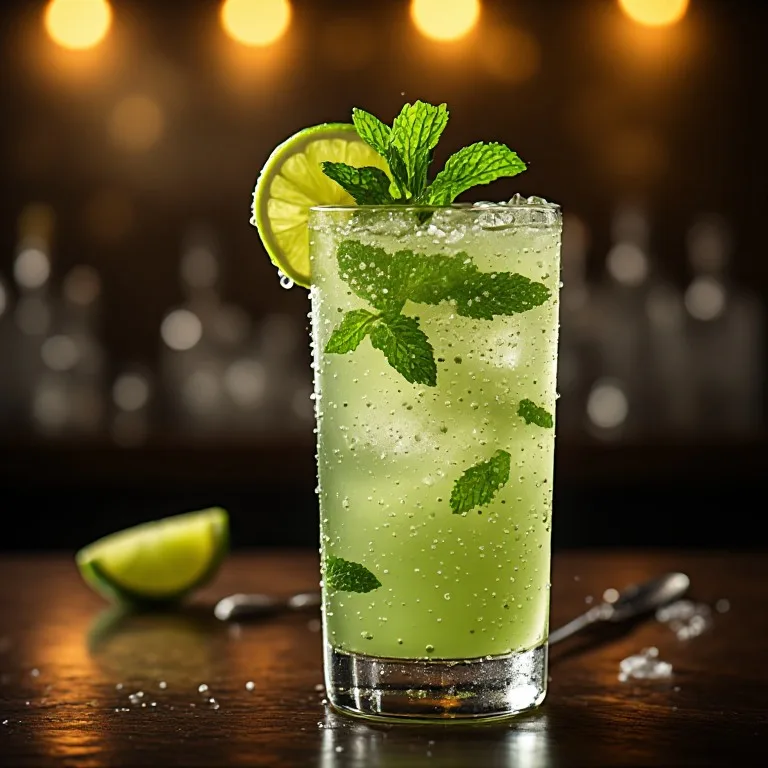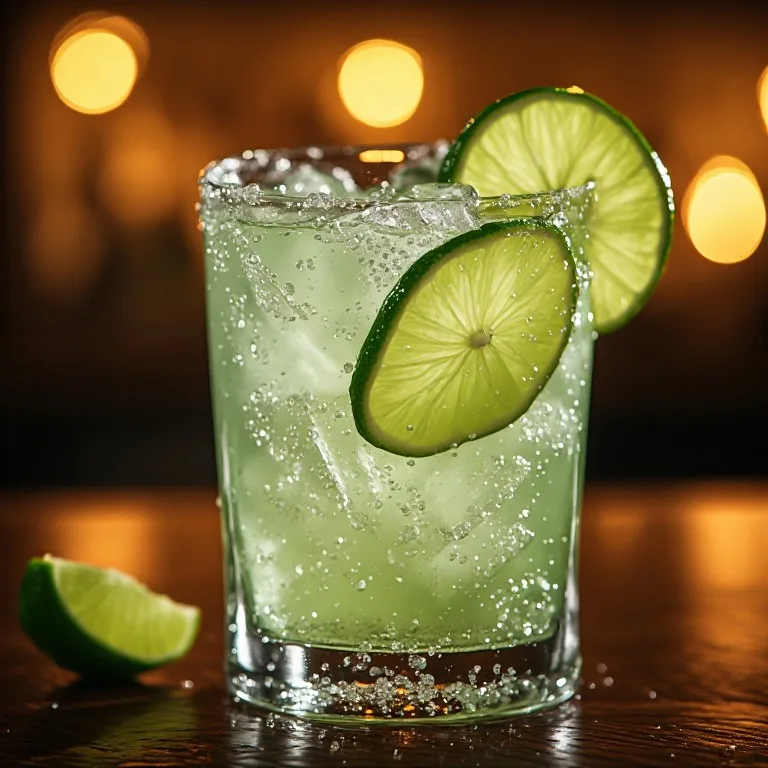
Fogo de Chão’s Caipirinha is built from only three named ingredients, yet it tastes more complex than that list suggests. Fresh lime contributes juice, bitter peel oil and fragrance. Cane sugar softens the acidity, while silver cachaça adds grassy, fruity sugarcane character that white rum cannot quite duplicate.
The drink remains on current Fogo menus in the United States, alongside fruit variations and a premium version made with aged cachaça. The restaurant does not disclose its current pours, but an older published Fogo recipe gives a useful, specific home formula.
What Fogo de Chão Actually Serves
Current Fogo menus describe the standard Caipirinha as silver cachaça, fresh muddled limes and cane sugar. A Scottsdale menu lists the drink at $12 and 340 calories. Orlando also showed a $12 price in late October 2026, while San Antonio listed it among $10 cocktails. Those differences make a single national price unreliable.
The chain also offers a Skinny Caipirinha with a sweetener substitute, fruit versions including Strawberry Hibiscus and Passionate, and a Premium Caipirinha made with aged cachaça. This recipe targets the plain silver-cachaça original.
Fogo has not published today’s measurements. However, a 2014 article presented a Fogo de Chão Caipirinha using one medium-to-large lime, 2 tablespoons sugar and 2 oz cachaça. It instructs the bartender to muddle lime and sugar, shake briskly, and serve the drink over fresh ice. That is the documented basis used here.
The Caipirinha Is Bigger Than Fogo
The Caipirinha is Brazil’s national cocktail and predates Fogo de Chão, which was founded in southern Brazil in 1979. Stories about medicinal lime-and-cachaça mixtures and regional origins circulate widely, but the drink’s exact inventor and creation date remain uncertain.
Cachaça also deserves its own identity. Although recipe databases often group it with rum, Brazilian cachaça is normally made from fermented fresh sugarcane juice. Silver cachaça brings fresh cane, fruit and vegetal notes. Replacing it with neutral vodka creates a Caipiroska; replacing it with ordinary white rum changes the drink again.
Why Typical Copycats Turn Bitter
Hard muddling is the main failure. Lime peel provides valuable aromatic oil, but the thick white pith can make a drink harsh. Halve the lime lengthwise and trim away the firm white center before slicing. Press the pieces only until they release juice and the sugar becomes wet.
The second issue is undissolved sugar. Granulated cane sugar is part of the drink’s texture, so it does not need to vanish completely. Still, a brisk shake distributes it more evenly than a quick stir. Fine caster sugar dissolves faster than coarse crystals.
Two tablespoons is a sweet restaurant-style measure. Fogo’s published version says to adjust it to taste, so starting with 1 tablespoon is reasonable if your lime is mild or you prefer a sharper drink.
The Key Technique: Keep the Lime in the Glass
After muddling, add the cachaça and ice, then shake for about 10 seconds. Pour the full contents into a rocks glass over fresh ice instead of fine-straining. Keeping the lime pieces and a little granular sugar in the drink preserves its rustic texture and lets the flavor continue to develop.
Fresh ice matters because muddled shaker ice breaks down quickly. Large new cubes slow the later dilution. The cocktail begins strong, then gradually softens as the ice melts and the remaining sugar dissolves.
Batch Caipirinhas for Eight
Cut eight limes, remove the center pith and muddle them with up to 2 cups (400 g) cane sugar in a large nonreactive bowl. Add 16 oz (480 ml) silver cachaça. Work in two or three shaker batches with ice rather than trying to shake everything at once.
Divide among eight ice-filled rocks glasses and spoon some muddled lime into every serving. Prepare the batch no more than 30 minutes ahead. Lime peel left in sugar and alcohol for hours can become unpleasantly bitter. For a less sweet party version, begin with 1 cup sugar, taste, and add more only if needed.
The Fogo-Style Zero-Proof Caipirinha
Simply omitting cachaça leaves sweet muddled lime. A 0.0% cane-style spirit restores some sugarcane aroma, while strong chilled green tea supplies grassy flavor and tannin. That combination gives the mocktail a dry center without alcoholic bitters.
Use half the alcoholic recipe’s sugar at first because zero-proof spirits do not bring ethanol’s heat or perceived dryness. Shake and serve it with the muddled lime pieces, just like the original. Check labels if strict zero alcohol is important because products marketed as nonalcoholic can sometimes contain trace amounts.
See more famous restaurant cocktails ->